Loading...
Serving Lake Havasu City, AZ and surrounding areas. (928) 392-1374
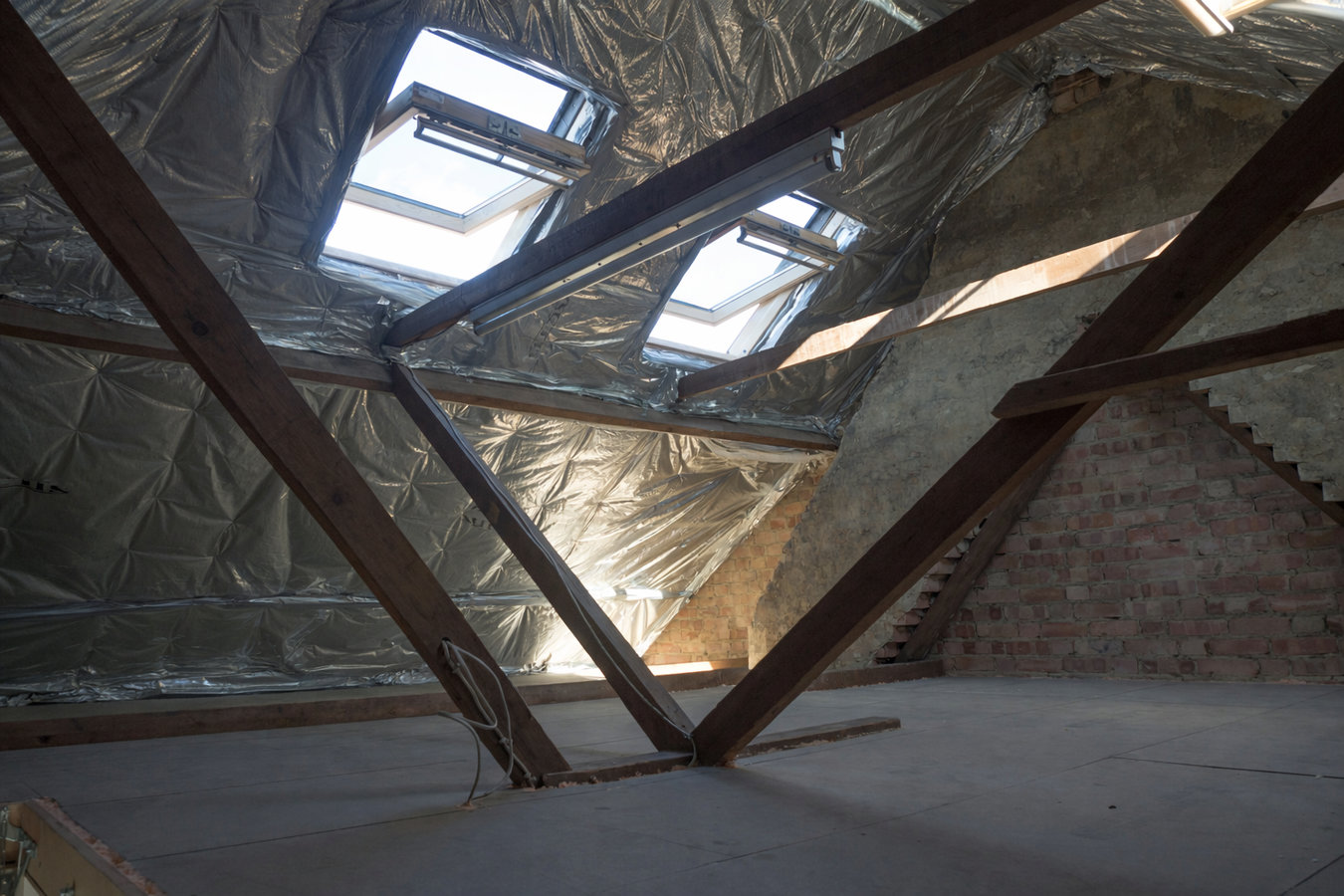
Attic temperatures in Lake Havasu homes can reach 150 degrees on a peak summer day. That heat radiates straight down into your living space. Proper attic insulation stops it at the source so your AC can actually keep up.
Attic insulation in Lake Havasu City acts as a thermal blanket between your living space and the extreme heat above - most residential installations take one day or less and pay for themselves through lower cooling bills over the first few summers.
In Lake Havasu City, where summer temperatures stay above 110 degrees well into October, an under-insulated attic is the single biggest reason homes feel uncomfortable and air conditioning bills run high. The federal government recommends homes in this climate zone carry a significantly deeper layer of attic insulation than homes in cooler parts of the country - and many Lake Havasu homes built before 1990 fall well short of that target. If you want to pair an attic upgrade with a complete air barrier, our blown-in insulation service is often combined with attic work to cover walls and other areas of the home at the same time.
If your cooling costs jump sharply from May through September and seem higher than your neighbors' bills for a similar-sized home, your attic insulation may be the reason. In Lake Havasu City, where summer temperatures routinely exceed 110 degrees, a poorly insulated attic forces your air conditioner to run almost continuously. That constant running shows up directly on your utility bill every month through the summer.
Bedrooms at the back of the house or rooms directly under the roof that feel noticeably warmer than the rest of your home - even with the AC running - are a classic sign of heat radiating through the ceiling from an under-insulated attic. This is especially common in Lake Havasu City homes built in the 1970s and 1980s, where the original insulation has compressed or thinned over the decades.
If you open your attic hatch and can clearly see the wooden framing beams, your insulation is almost certainly too thin for this climate. A properly insulated attic in Lake Havasu should have insulation deep enough that the framing is completely buried and not visible from above. Visible joists in a hot desert home are a reliable signal that the thermal barrier is not doing its job.
Warm air or dust puffing out around recessed ceiling lights or ceiling fans means hot attic air is finding its way into your living space through gaps in the ceiling. This usually means the insulation is thin and the air gaps around fixtures were never properly sealed. The problem gets worse every year it is left alone, driving up both cooling costs and eventual repair bills.
We install blown-in loose-fill and batt insulation depending on your attic's layout and current condition. Blown-in material is the more common choice for Lake Havasu homes because it fills irregular spaces and covers the full attic floor evenly - including the corners and edges near the eaves where thin coverage lets in the most heat. Before any material goes in, we seal air gaps around light fixtures, plumbing penetrations, and the attic hatch itself. Skipping that air-sealing step is why so many insulation jobs underperform - the insulation is doing its job but hot air is bypassing it entirely through gaps. Our attic air sealing service is available as a standalone job or as part of a full attic insulation upgrade.
After installation, we place depth markers in the attic so you can verify coverage yourself. We walk through the finished work with you before we leave, and you receive documentation of what was installed - useful for federal tax credit paperwork or a future home sale. Most jobs are complete in one day, and you can use your home normally right after - there is no curing or drying period.
The preferred option for most Lake Havasu attics - covers irregular spaces and odd corners evenly without gaps.
Pre-cut panels suited for attics with standard, evenly spaced framing and easy access throughout.
Sealing gaps around fixtures and penetrations before insulation goes in - the step that determines whether the job actually performs.
Removal of degraded, pest-contaminated, or wet insulation before fresh material is installed.
Lake Havasu City regularly records some of the highest air temperatures in the United States, with summer highs frequently exceeding 115 degrees. Attic temperatures in uninsulated or under-insulated homes here can reach 150 degrees or more on a peak summer day - far hotter than most other parts of the country. That means your air conditioner is fighting against an enormous amount of radiant heat, and even a modest improvement in attic insulation can produce a noticeable drop in your monthly electric bill. A large share of the city's homes were built between the 1970s and early 2000s and have never had the attic insulation upgraded. We serve homeowners across the area, including those in Parker and Fort Mohave, where homes face the same extreme desert heat conditions.
Arizona has adopted a statewide residential energy code that requires specific insulation levels for new construction and certain renovations. If you are planning a re-roof, an addition, or a major HVAC replacement, the Lake Havasu City Building Division may require your attic insulation to be brought up to current standards as part of that project. Working with an experienced local contractor who knows the local requirements means you will understand what is needed before work begins - not after. The Arizona Department of Housing publishes the current building codes for reference.
We ask a few basic questions - your address, the approximate size of your home, and whether you know anything about the current state of your attic insulation. You are not committing to anything. We reply within one business day and can usually schedule an estimate within a few days.
A technician goes into your attic to measure existing insulation depth, check for air gaps around fixtures and pipes, and look for any signs of moisture damage or pest activity. The visit takes 30 to 60 minutes, and you get a written estimate before anyone leaves.
Before the crew arrives, clear the area around your attic hatch and move any items stored directly below it. The work happens entirely in the attic, so the rest of your home stays undisturbed. No need to leave.
The crew seals air gaps first, then installs the insulation. Most jobs finish in a few hours. Before they leave, a supervisor walks you through the depth markers and confirms everything was done as quoted. You receive written documentation - useful for tax credits or a future home sale.
We come to your home, assess your attic, and give you a clear written quote - no obligation, no sales pitch. Most jobs are done in a day, and you will notice the difference before the end of your first full summer billing cycle.
(928) 392-1374Every attic job starts with a free written estimate that spells out scope, materials, and total cost. You can hold it up against any other contractor's number and know you are comparing the same work. There are no verbal quotes that change later and no surprises at the end of the job.
Most contractors skip the air-sealing step and just pile on more material. We seal gaps around light fixtures, pipes, and the attic hatch before the insulation layer goes in. That step is why our jobs perform better - hot air cannot bypass the insulation through unsealed gaps.
Lake Havasu City sits in DOE Climate Zone 2B, one of the most demanding hot-dry zones in the country. The insulation depth and product we recommend is calibrated to your actual heat load - R-38 to R-60 for attics here, versus the thinner coverage that is adequate in cooler states. You get a recommendation based on your specific climate, not a one-size-fits-all number.
After every job, you receive written documentation showing what was installed, what depth was achieved, and when the work was done. That paperwork can support a federal energy efficiency tax credit claim and is a tangible asset when you sell - buyers and inspectors in Lake Havasu look at the attic, and documented upgrades carry real value.
We have worked on Lake Havasu attics in homes built from the 1970s through today, and the pattern is consistent - homes that are under-insulated for this climate run their AC harder, pay more, and are less comfortable. A proper attic upgrade changes that. The North American Insulation Manufacturers Association publishes homeowner guidance on insulation performance if you want to dig into the details before you call.
For more on recommended insulation levels by climate zone, see the ENERGY STAR recommended R-value guide. For current federal tax credit information, visit ENERGY STAR federal tax credits.
Loose-fill material blown into attics and walls to fill irregular spaces where batts leave gaps - a natural companion to an attic upgrade.
Learn moreClosing the gaps around fixtures, pipes, and penetrations that let hot attic air bypass your insulation entirely - the step most contractors skip.
Learn moreLake Havasu City summers are long and unforgiving. The sooner your attic is properly insulated, the sooner your cooling costs start coming down - and the more comfortable your home will feel from day one.