Loading...
Serving Lake Havasu City, AZ and surrounding areas. (928) 392-1374
Your attic can hit 150 degrees on a summer afternoon. Thin or aging insulation lets that heat pour straight into your home. We blow in the right amount of material to meet DOE recommendations for this climate - and your AC finally gets a fighting chance.
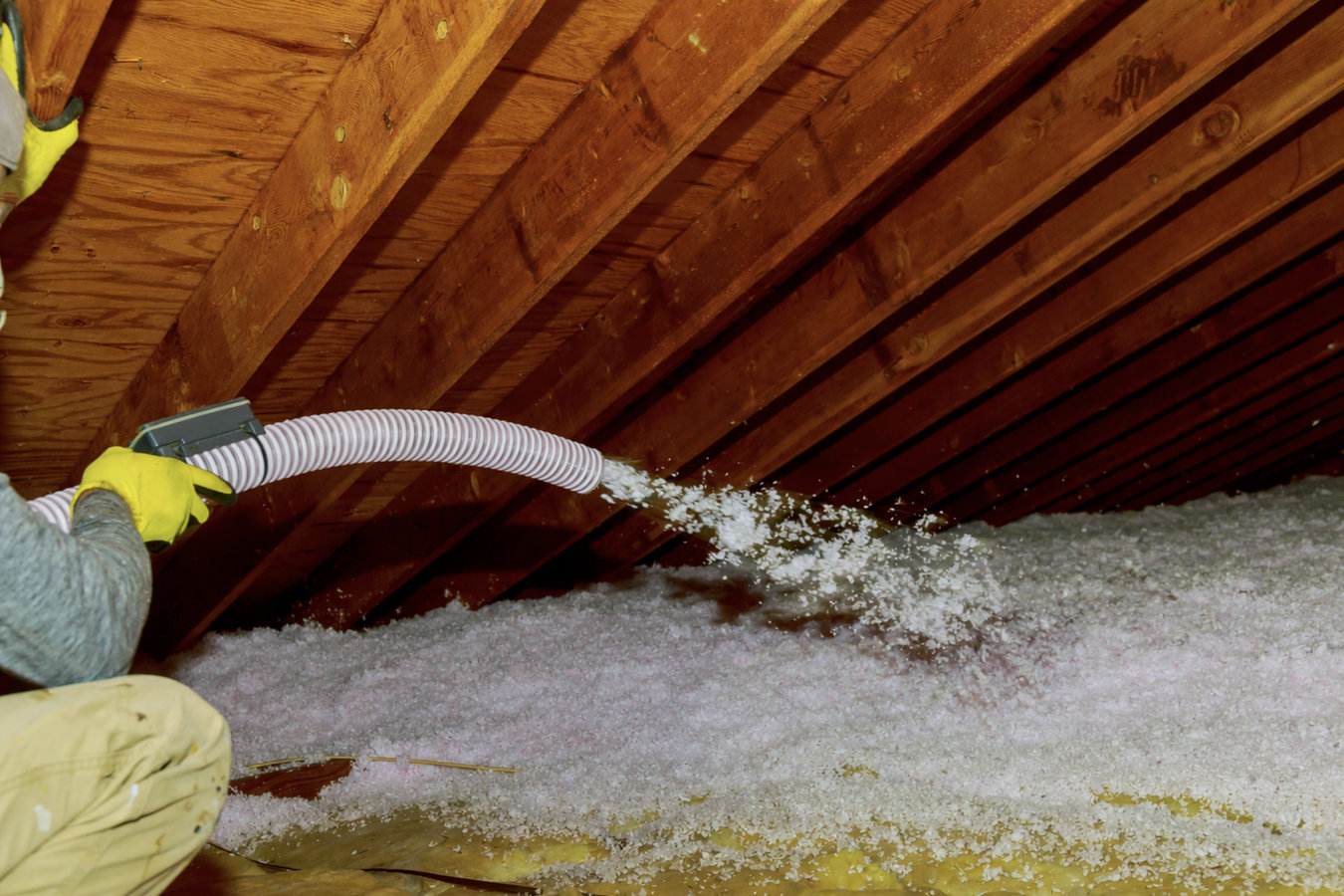
Blown-in insulation in Lake Havasu City covers your attic floor with a continuous layer of loose cellulose or fiberglass pumped through a hose - most jobs on a single-story home take two to four hours and require no demolition. The material fills odd-shaped spaces and gaps that rigid batts cannot reach, creating an even blanket of protection across your entire attic.
In a climate where summer temperatures regularly push past 115 degrees, your attic becomes one of the biggest sources of heat gain in your home. The Department of Energy recommends significantly more insulation depth for this climate zone than most older Lake Havasu homes actually have. If your home was built in the 1970s through 1990s, there is a good chance the insulation is both thinner and older than it needs to be. Blown-in is the fastest way to reach the right depth, and it pairs naturally with our home insulation service when you want to address the full picture at once.
If your air conditioner is working hard but the house never quite reaches the temperature you set, heat is getting in faster than your system can remove it. In Lake Havasu City, an under-insulated attic is one of the most common causes - your ceiling is essentially acting as a radiator on a summer afternoon. This is one of the clearest signs your attic insulation is not doing its job.
If you peek into your attic and can clearly see the wooden beams running across the floor, your insulation level is almost certainly too low for this climate. Properly insulated attics in the Lake Havasu City area should have a thick, even layer that covers those beams completely. Visible joists are a quick, no-tools-needed sign that it is time to call a contractor.
When insulation is thin or uneven, the rooms closest to the attic absorb more heat and become harder to cool. If your upstairs bedrooms or any room directly below the roof feel significantly warmer than the rest of your home, that temperature gap is a reliable signal that heat is moving through the ceiling faster than it should. The rooms farthest from your AC unit tend to suffer the most.
Homes built in Lake Havasu City during the 1980s and 1990s were insulated to the standards of that era, which fall well below what is recommended today. If you have owned your home for years and no one has ever checked the attic insulation, there is a reasonable chance it has settled, aged, or was never thick enough. A quick inspection by an experienced local contractor - often free - can tell you exactly where you stand.
We install both fiberglass and cellulose insulation, matched to your attic conditions and budget. Before any material goes in, we seal gaps around light fixtures, pipes, and wiring - skipping that step is the most common reason homeowners do not see the savings they expected. We also install attic baffles along the eaves for homes with tile roofs, which keeps soffit ventilation clear and prevents heat and moisture from getting trapped. For homes where the walls also need attention, our wall insulation service handles the exterior envelope alongside the attic work.
Every job ends with a walkthrough where you can see the depth markers left in your attic - small plastic indicators that confirm the insulation reached the right thickness. We provide written documentation of the material type and depth installed, which you will need if you plan to claim a federal tax credit or a utility rebate. For homes with older or damaged insulation that needs to come out first, we can coordinate removal before adding new material.
Lightweight and moisture-resistant - a solid choice for most Lake Havasu City attics, especially in homes with good existing ventilation.
Made from recycled material and dense enough to settle very little over time - a good fit for older homes that have never been upgraded.
Adding new material on top of existing insulation to bring depth up to today's recommended levels - no removal needed in most cases.
Sealing gaps first, then blowing in material to full depth - the most complete option and the one most likely to show up on your electric bill.
Lake Havasu City is consistently among the hottest cities in the United States, with summer highs above 115 degrees that can push attic temperatures to 150 degrees or more. The DOE recommends insulation depth for this climate zone that is significantly higher than what most homes built here in the 1970s through 1990s actually have. Those homes were built to the construction standards of that era - standards designed for energy costs and climate conditions that bear little resemblance to today. Blown-in insulation is the most practical way to bridge that gap without major renovation. Homeowners in Bullhead City face the same extreme heat conditions and the same aging housing stock, and we serve them with the same approach.
The dry desert air around Lake Havasu City also accelerates the aging of older blown-in insulation. Material installed more than 15 years ago may have settled and compressed enough that it is no longer providing the coverage it once did - even if it looks intact from the attic hatch. The tile roofs common throughout the area add another layer of complexity: the insulation needs to be installed with baffles that keep soffit vents clear, or heat and moisture get trapped and the upgrade underperforms. Customers in Parker and the surrounding river corridor deal with similar conditions, including occasional monsoon-season humidity that can affect insulation over time.
We ask a few basic questions about your home - size, age, and what is prompting the call. We respond to all requests within one business day and can usually schedule an on-site estimate within a few days.
We come to your home, go into the attic, and measure existing insulation depth. We check for air gaps, moisture, and any ventilation issues. You get a written quote that breaks down exactly what is included and what it will cost - no surprises.
If your project requires a permit through the Lake Havasu City Building and Safety Division, we pull it before the crew arrives - not after. This protects you at resale and puts the work on record. Permits typically add a few days to the timeline.
The crew arrives with a truck-mounted blowing machine. We seal gaps first, then blow material evenly to the confirmed depth. Before we leave, we invite you to check the depth markers in your attic yourself so you can see that the work is done.
We measure what you have, tell you exactly what you need, and give you a written quote you can compare. No pressure, no obligation.
(928) 392-1374Air sealing before installation is what separates a job that shows up on your electric bill from one that does not. Many contractors skip this step to save time. We do not - because the biggest source of heat gain in most Lake Havasu homes is hot air sneaking through unsealed gaps, not just thin insulation.
Lake Havasu City sits in one of the most demanding climate zones in the country. We install to the depth the Department of Energy recommends for this region - roughly 13 to 18 inches of blown-in material depending on your starting point. We do not cut the depth short to reduce material cost.
Every blown-in project starts with a free written estimate that spells out scope, materials, and total cost. You can hold it against any other contractor's number and know you are comparing the same work. We stand behind the figure in writing and do not change it after the crew arrives.
We leave you with a written record of the material type, depth achieved, and any permits pulled. That paperwork is what you need to claim a federal energy efficiency tax credit, apply for an APS utility rebate, or show a buyer at resale that the work was done correctly.
Every one of those points comes back to doing the work correctly the first time so you do not have to call someone back because your bills have not budged. We work in Lake Havasu City and the surrounding area every week, and we know what these homes need. The North American Insulation Manufacturers Association publishes installation guidelines and product standards that reputable contractors follow on every job.
The U.S. Department of Energy publishes recommended insulation levels by climate zone, including the depth targets for hot desert areas like Lake Havasu City. The ENERGY STAR program also covers qualifying insulation products and what to look for in a contractor.
A whole-home look at your attic, walls, and other areas - the right starting point if you want to understand the full scope before committing to one project.
Learn moreInsulating your exterior walls to cut heat gain through the sides of your home - often scheduled alongside attic blown-in work for the biggest combined impact on comfort.
Learn moreLake Havasu City summers are coming - get your attic insulation up to the right depth before your AC is working overtime. Call us today or request a free estimate online.