Loading...
Serving Lake Havasu City, AZ and surrounding areas. (928) 392-1374
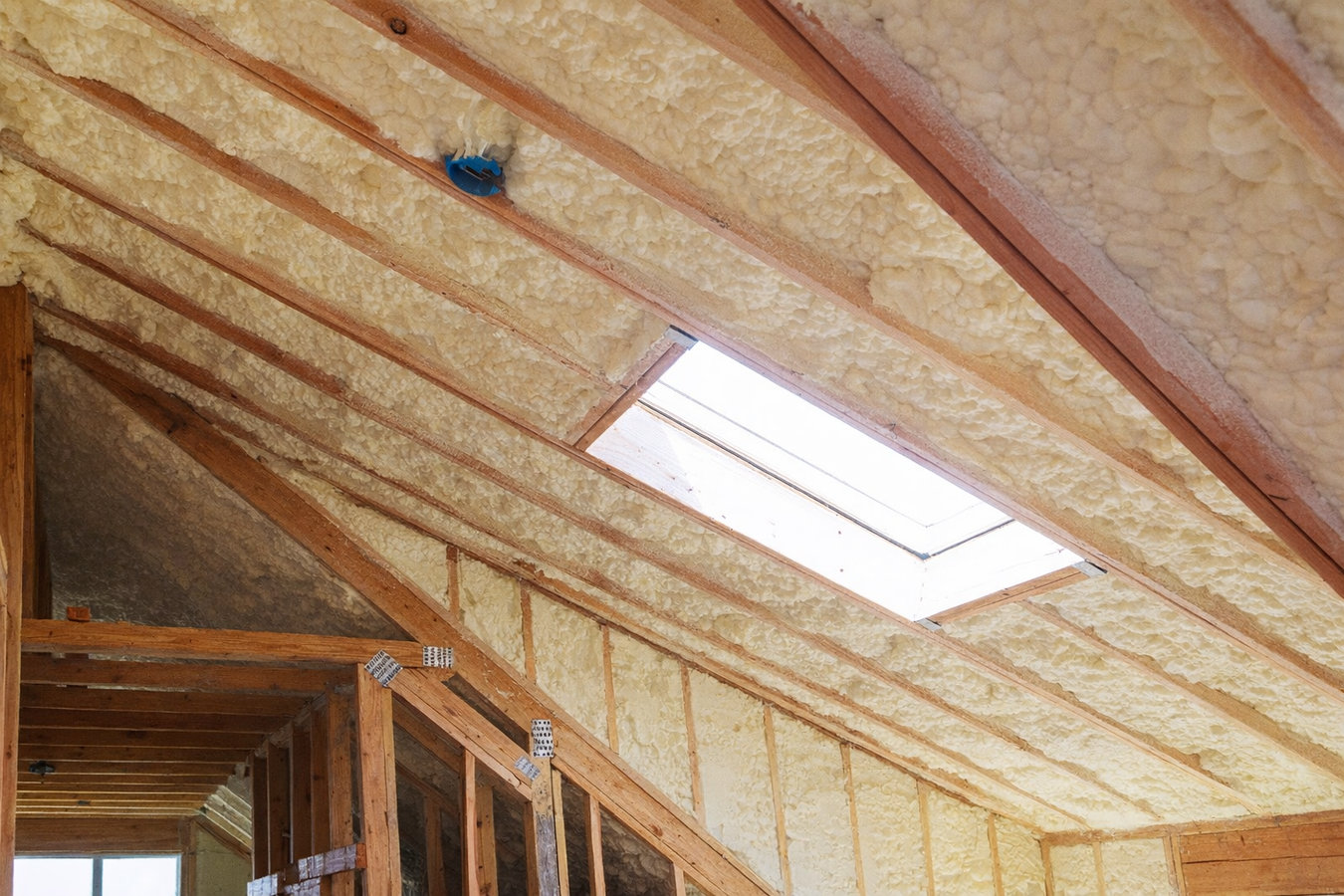
Your attic. Your walls. The places heat gets in before your air conditioner even has a chance. We bring your whole home up to the DOE-recommended insulation levels for this climate - so your cooling system can finally keep up with a Lake Havasu summer.
Home insulation in Lake Havasu City means addressing every part of your home where heat enters: your attic, your exterior walls, and any exposed spaces like crawl areas or floors over unheated garages. Most jobs start with a full inspection to find out where your insulation is thin or missing, then build a plan that prioritizes the areas where you will get the biggest improvement in comfort and energy costs. The work is done over one to three days depending on the size of your home, and you do not need to leave while the crew is here.
Lake Havasu City homes face some of the most extreme summer heat in the country, and the insulation levels builders used in the 1970s through 1990s simply do not hold up to today's energy costs or comfort expectations. If your home is 20 or more years old and the insulation has never been upgraded, there is a good chance it was never thick enough to begin with - and it has probably compressed or settled even further since then. Upgrading your entire home at once is the most effective approach and usually comes with the best price per square foot, since the crew is already on-site and the equipment is already set up. For homeowners who want to tackle one area at a time, our attic insulation service is the most common starting point.
If your air conditioner runs all afternoon and evening but your home still feels warm, heat is getting in faster than your system can remove it. In Lake Havasu City, this is one of the clearest signs of inadequate insulation. Your AC is not broken - it is just fighting an impossible battle against an under-insulated attic and walls that act like radiators all summer long. A properly insulated home should reach your thermostat setting within a reasonable time, even on the hottest days.
When some rooms feel comfortable while others are noticeably hotter or colder, insulation is often the cause. Rooms on the second floor, rooms at the far end of your ductwork, and rooms with exterior walls tend to suffer the most. If you find yourself closing vents or avoiding certain parts of your house during summer, your insulation is not doing its job evenly.
Lake Havasu City saw a major housing boom in the 1980s and 1990s, and most of those homes were insulated to the minimum required by code at that time - a standard that falls well below what the Department of Energy now recommends for this climate. If your home is 20 or more years old and no one has ever inspected or upgraded the insulation, there is a reasonable chance it needs attention.
If your summer electric bills have crept higher over the years even though your usage habits have not changed, your home is becoming less efficient. Insulation settles and compresses over time, especially in extreme heat. A home that was adequately insulated 15 years ago may no longer meet today's standards, and that shows up clearly on your APS or Mohave Electric bill during the summer months.
We start with a full inspection of your attic, walls, and any other spaces where insulation matters. We measure what you have, identify where it is thin or missing, and explain in plain language what needs to happen and why. You get a written estimate that breaks down each area and each material so you can decide whether to do everything at once or tackle one part now and another later. Air sealing - the step many contractors skip - happens before any new insulation goes in, because even the thickest insulation cannot fix air leaks. For homes where the walls need attention but the exterior siding cannot be disturbed, our wall insulation service uses injection foam or cellulose that goes in through small holes drilled from the outside - no drywall removal required.
We install fiberglass, cellulose, and foam insulation depending on what your home needs and what you want to spend. Each material has trade-offs: fiberglass is cost-effective and moisture-resistant, cellulose is made from recycled material and provides good sound dampening, and foam offers the best air-sealing properties but costs more per square foot. After the work is done, we leave you with written documentation of what was installed and where - paperwork you will need if you plan to claim a federal tax credit, apply for a utility rebate, or sell your home later.
Bringing your attic up to DOE-recommended depth for this climate zone - the single biggest improvement most Lake Havasu homes can make for comfort and energy costs.
Filling empty wall cavities with foam or cellulose from the outside - no interior demolition, and your home is livable throughout the job.
Insulating exposed floors over garages or unheated spaces to stop heat from sneaking in from below - less common in Lake Havasu but important when it applies.
Closing gaps around pipes, wiring, light fixtures, and ducts before insulation goes in - the step that makes the biggest difference on your electric bill.
Lake Havasu City regularly ranks among the hottest cities in the United States, with summer highs above 115 degrees that can push attic temperatures to 150 degrees or higher. The Department of Energy recommends significantly more insulation for this climate zone than it does for most other parts of the country, and homes built here before the early 2000s were almost never insulated to those levels. What was considered adequate in 1985 is not enough in 2025 - not when energy costs have climbed and comfort expectations have risen. Whole-home insulation is the most practical way to close that gap without tearing your house apart. Homeowners in nearby Bullhead City face the exact same extreme heat and aging housing stock, and we approach their homes the same way.
The tile roofs common throughout Lake Havasu City add another complication. Tile roofs allow more air movement through the attic than composition shingles, which means your insulation needs to be thicker and ventilation pathways need to stay clear. Block construction - popular in homes built here from the 1970s through 1990s - means wall insulation is often completely absent. Block walls look solid from the outside, but without insulation they conduct heat directly into your living space all afternoon and evening. Customers in Parker and the surrounding Colorado River corridor have similar construction patterns and the same insulation needs, so we bring the same approach and the same materials to every job in the region.
We ask a few basic questions about your home - size, age, and what is prompting you to look into insulation. We respond to all requests within one business day and can usually schedule an on-site inspection within a few days.
We come to your home, go into the attic, check your walls, and look at any other spaces where insulation matters. We measure what you have and explain what you need. You get a written estimate that breaks down each part of the job - attic, walls, air sealing - so you know exactly what you are paying for.
If your project requires a permit through the Lake Havasu City Building and Safety Division, we pull it before the crew arrives. That step protects you at resale and puts the work on the public record. Most whole-home insulation jobs require a permit.
The crew arrives with the equipment and materials. We seal gaps first, then install the insulation to the confirmed depth in each area. You do not need to leave your home - the work happens in the attic, walls, and crawl spaces, not your living areas. Before we leave, we walk you through what was done and answer any questions you have.
We inspect your attic, walls, and crawl spaces, then give you a written quote you can compare. No pressure, no obligation.
(928) 392-1374A whole-home insulation job starts with a complete inspection - attic, walls, crawl spaces, and any exposed floors. We measure what you have, photograph thin or missing areas, and explain in clear terms what needs to happen. You are not guessing where the problems are - we show you. That inspection is always free and comes with a written estimate you can compare against other bids.
Insulation stops heat from moving through solid surfaces. Air sealing stops hot air from sneaking around insulation through gaps and cracks. Both steps matter, and skipping air sealing is the most common reason homeowners do not see the savings they expected. We seal gaps around pipes, wiring, light fixtures, and duct penetrations before any insulation goes in - because that is how the job should be done.
Our crews have insulated homes across Lake Havasu City and the surrounding desert since the day we started. We know how block construction, tile roofs, and slab foundations behave when the temperature climbs past 110 degrees, and that experience shapes the materials and coverage we recommend. When a job needs a permit, we coordinate it and keep the paperwork organized so the project stays on track.
We leave you with written records of what was installed, where it went, and what depth or R-value it reached. That paperwork is what you need to claim a federal energy efficiency tax credit, apply for an APS or Mohave Electric rebate, or show a buyer at resale that the work was done correctly. Most contractors do not provide documentation unless you ask - we include it with every job.
Every one of those practices comes back to doing the work correctly the first time so you actually get the comfort and savings you paid for. We work in Lake Havasu City and the surrounding area every week, and we know what these homes need - the same standard you should expect from any insulation company working in this climate. The North American Insulation Manufacturers Association publishes installation standards and best practices that guide every job we do.
The U.S. Department of Energy publishes recommended insulation levels by climate zone, including specific guidance for hot desert areas like Lake Havasu City. The ENERGY STAR program also covers insulation materials, installation standards, and what to look for in a contractor.
Focused on the attic only - the most common starting point for homeowners who want to tackle one area at a time rather than the full house.
Learn moreInsulating your exterior walls to stop heat gain through the sides of your home - typically scheduled alongside attic work for the biggest combined impact.
Learn moreThe fastest way to bring your attic up to the recommended depth - material is blown in through a hose and the job is usually done in a few hours.
Learn moreLake Havasu summers are brutal - and your home was built for a different era. Call us today or request a free estimate online to find out exactly what your home needs.