Loading...
Serving Lake Havasu City, AZ and surrounding areas. (928) 392-1374
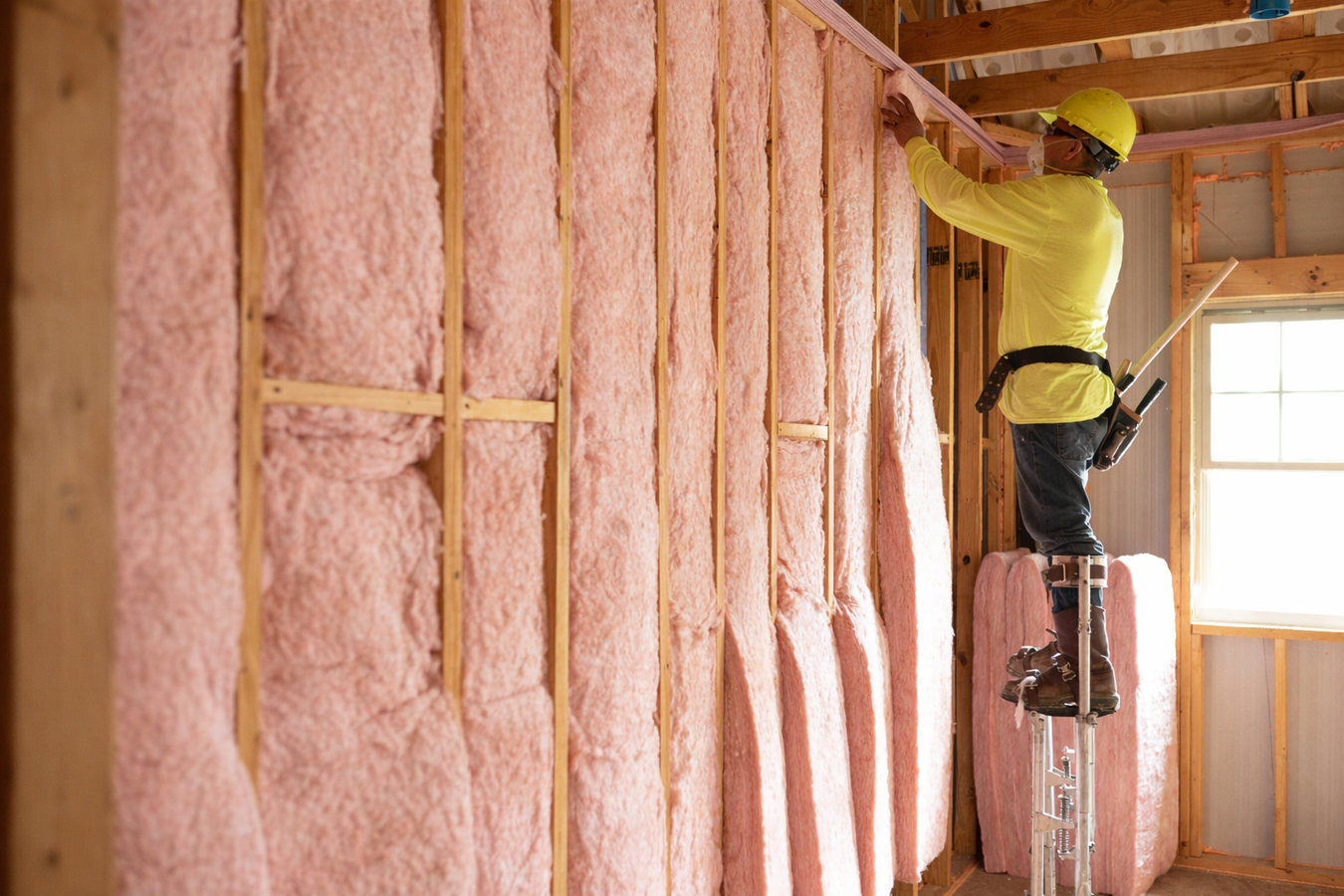
Older Lake Havasu City homes lose cool air through thin or degraded insulation - driving up electricity bills all summer. We upgrade your existing attic and walls without tearing out what is already there.
Retrofit insulation in Lake Havasu City means adding blown-in or spray-applied material to your existing attic, walls, or crawl space without tearing out the structure - most attic jobs are completed in a single day and the improvement in comfort is noticeable within the first full billing cycle.
A large share of homes in Lake Havasu City were built between the 1970s and 1990s, when insulation standards were far less demanding than they are today - and far less suited to a climate where air conditioning runs hard from April through October. That original insulation has often settled, compressed, or simply never reached the level needed to keep desert heat out. The result is an air conditioner that runs almost without stopping on hot afternoons, higher-than-necessary electricity bills, and rooms that never quite reach the temperature on the thermostat. The good news is that the structure is already there - you are just filling what is missing. According to the U.S. Department of Energy, properly air-sealing and insulating an existing home can cut heating and cooling costs by up to 15 percent - and in Lake Havasu City, where cooling season stretches most of the year, that savings compounds fast.
Retrofit insulation works hand-in-hand with home insulation planning - if you are looking at your whole house rather than just the attic, that page covers the broader picture. For homes that have more specific commercial needs, our commercial insulation service addresses those situations separately.
If your electricity bill climbs dramatically from May through September and your AC seems to run almost without stopping, your home may not be holding the cool air it should. In Lake Havasu City, where summer temperatures routinely push past 110 degrees, a well-insulated home should be able to maintain a comfortable temperature without the system running constantly. A sudden or worsening spike - especially compared to neighbors with similar-sized homes - is a strong signal that heat is getting in somewhere it should not be.
If one or two rooms feel significantly warmer than the rest of the house even with the AC running, that often means the insulation in that area is thin, missing, or has settled over time. This is especially common in rooms directly under the roof or at the ends of the house. In Lake Havasu City's climate, even a small gap in coverage can make a room feel uncomfortably hot during peak summer hours.
Homes built in Lake Havasu City's major growth decades - the 1970s through 1990s - were often insulated to standards that do not hold up well against today's energy costs or the demands of desert summers. If you have lived in your home for years and never had anyone look at the attic, there is a real chance the material has settled or degraded. You do not need to wait for a problem to show up - a quick assessment can tell you where you stand.
On a hot afternoon, hold your hand near your ceiling, especially around recessed lights or the attic access hatch. If you feel warmth radiating down, heat is moving through from the attic into your living space. This is a direct sign that the barrier between your attic and your home is not doing its job - and it is something you can check yourself without any tools.
Every retrofit starts with an assessment - not a quick look from the ladder, but a thorough walk through your attic to measure existing coverage, check for air gaps around light fixtures and plumbing penetrations, and identify where heat is actually entering. Insulation on top of unsealed gaps delivers far less improvement than you paid for, so we address those gaps first. The most common method we use for existing homes is blown-in insulation, where a machine pushes loose fiberglass or cellulose material into the attic or wall cavities through small access points. It fills irregular spaces, settles around wiring and pipes, and brings your coverage up to the level needed for desert conditions. The North American Insulation Manufacturers Association identifies blown-in as the most widely used and field-proven method for retrofitting existing homes because of how well it fills around obstructions without disturbing the structure.
For homeowners tackling a full home upgrade, retrofit insulation pairs directly with home insulation planning - addressing the attic and walls together delivers the most improvement per dollar. For properties that need to go beyond the attic into the structure of the building itself, our commercial insulation service handles those larger-scale scopes.
Best for homes with a finished attic floor and little or no existing coverage - adding blown-in material to bring the attic up to the level needed for extreme desert heat without disturbing the existing structure.
Best for older Lake Havasu City homes where exterior walls were never insulated or where the original material has settled - drilling small access holes, blowing material in under pressure, and patching the openings when done.
Best for homes where gaps around recessed lights, plumbing penetrations, and attic hatches are letting conditioned air escape - sealing those pathways first so new insulation performs at its rated level.
Best for older homes that need both thermal improvement and moisture control - installing a vapor barrier or crawl space barrier alongside the insulation upgrade so each investment protects the other.
Two local realities make retrofit insulation more urgent here than in almost any other part of the country. First, Lake Havasu City regularly records some of the highest summer temperatures in the United States, with daytime highs frequently exceeding 115 degrees. Working in an attic during those months is dangerous, and heat at that level degrades insulation materials faster than in milder climates. Second, a large portion of the city's neighborhoods were developed in the 1970s, 1980s, and 1990s, when insulation requirements were far less stringent than they are today. Homes from that era often have attic insulation that has settled, degraded, or was never installed to a level appropriate for desert conditions. Arizona adopted the International Energy Conservation Code for hot-dry climates, which sets higher attic insulation requirements than many other states - and if your home was built or last renovated before the most recent code update, it may fall short of current standards. The ENERGY STAR Home Sealing program offers a framework for identifying and prioritizing exactly the kind of attic and wall improvements that pay off most in hot climates.
We serve all of Lake Havasu City and the surrounding region, including Parker, AZ and Bullhead City, AZ, where the same era of construction and the same desert heat create the same retrofit challenges. Arizona Public Service has offered rebate programs for homeowners who add insulation to existing homes - before you sign a contract, it is worth checking their current programs, since rebate availability changes and the savings can be meaningful.
We ask a few basic questions - your home size, approximate age, and what is prompting the call. You will hear back within one business day, and we schedule a free on-site assessment at a time that works for you.
We go into the attic, measure existing coverage, and check for air gaps around light fixtures, plumbing penetrations, and the attic hatch. This visit takes 30 to 60 minutes, and we walk you through what we found before we leave.
You receive a written estimate that breaks down the scope and cost, including whether air sealing is included before material is added. Take your time to compare a couple of quotes - an estimate that includes air sealing before insulation is generally a sign of more thorough work.
The crew sets up outside, runs a hose into the attic, and blows in material to the specified depth. Most single-story homes are done in a few hours. Before leaving, the crew shows you the finished coverage - even, consistent, no bare patches - and gives you the material documentation you need for any tax credit filing.
No obligation. Written quote with scope and material specs included. Response within one business day.
(928) 392-1374Every retrofit job starts with a free written estimate covering scope, materials, and total cost. You see the full number before signing anything and can compare it against any other bid. There are no verbal quotes that shift later and no surprises once the crew arrives.
APS offers rebate programs for insulation upgrades, and as of 2024 homeowners may qualify for a federal tax credit worth up to 30 percent of material costs on qualifying retrofits. We know what documentation you need and make sure you walk away with it.
Blowing material on top of unsealed gaps is the most common reason retrofit jobs underperform. We identify and seal penetrations, gaps around fixtures, and attic bypasses before adding any material. That step alone is why our results hold up.
A significant share of Lake Havasu City homes are from the era when insulation requirements were weakest. We have assessed and upgraded hundreds of homes from that period and know exactly what to expect - settled cellulose, missing baffles, thin original coverage - so nothing surprises us.
Those four points add up to one thing: when the job is done, you will have documentation of what was installed, why it was installed that way, and what it should deliver - so you are not guessing about whether the work was done right.
Insulation upgrades for commercial buildings in Lake Havasu City - offices, retail spaces, and warehouses dealing with the same desert heat as residential homes.
Learn moreFull-home insulation planning for Lake Havasu City homes - covering the attic, walls, and crawl space together as one coordinated project.
Learn moreFall and winter slots fill fast in Lake Havasu City - lock in your assessment now and be ready before temperatures climb past 110 degrees.